
AUBURN HILLS • OAKLAND COUNTY, MICHIGAN
Roofing Contractor in Auburn Hills, MI
Valor Roofing LLC helps Auburn Hills homeowners understand what their roof actually needs before they commit to repair, replacement, installation, shingle work or a storm-damage claim. Start with a documented inspection, a clear scope and a roofing plan built for the house in front of us.
Licensed & InsuredAuburn Hills 48326Residential Roofing FocusInspection-First Guidance
THE AUBURN HILLS GEOGRAPHIC HUB
Local Roofing Guidance Without Repeating Five Full Service Pages
Auburn Hills includes established single-family neighborhoods, newer development, attached housing and homes near wooded corridors, open roadways and the Rochester Hills border. Roof age, architecture, tree cover, exposure and attic design can therefore vary considerably within the same ZIP code.
The useful question is whether the roof is shedding water, resisting wind, protecting vulnerable transitions and working with the attic. One home may need a targeted repair, another a full replacement, and another only monitoring after a clean inspection.
If you already know the problem, use Valor’s dedicated roof repair, roof replacement, storm damage and insurance claims, shingle roofing or roof installation page. This hub stays focused on Auburn Hills and the correct starting point.
Auburn Hills Coverage
The primary residential ZIP for Auburn Hills is 48326. Some properties near city boundaries can use neighboring postal designations, so service should be confirmed by street address rather than forcing every edge-of-city property into the same ZIP label.
48326Oakland CountyRochester Hills NearbyPontiac Nearby
Valor also serves surrounding Oakland County communities including Rochester Hills, Lake Orion / Orion Township, Waterford, White Lake, Bloomfield and Clarkston.
REAL VALOR WORK FIRST
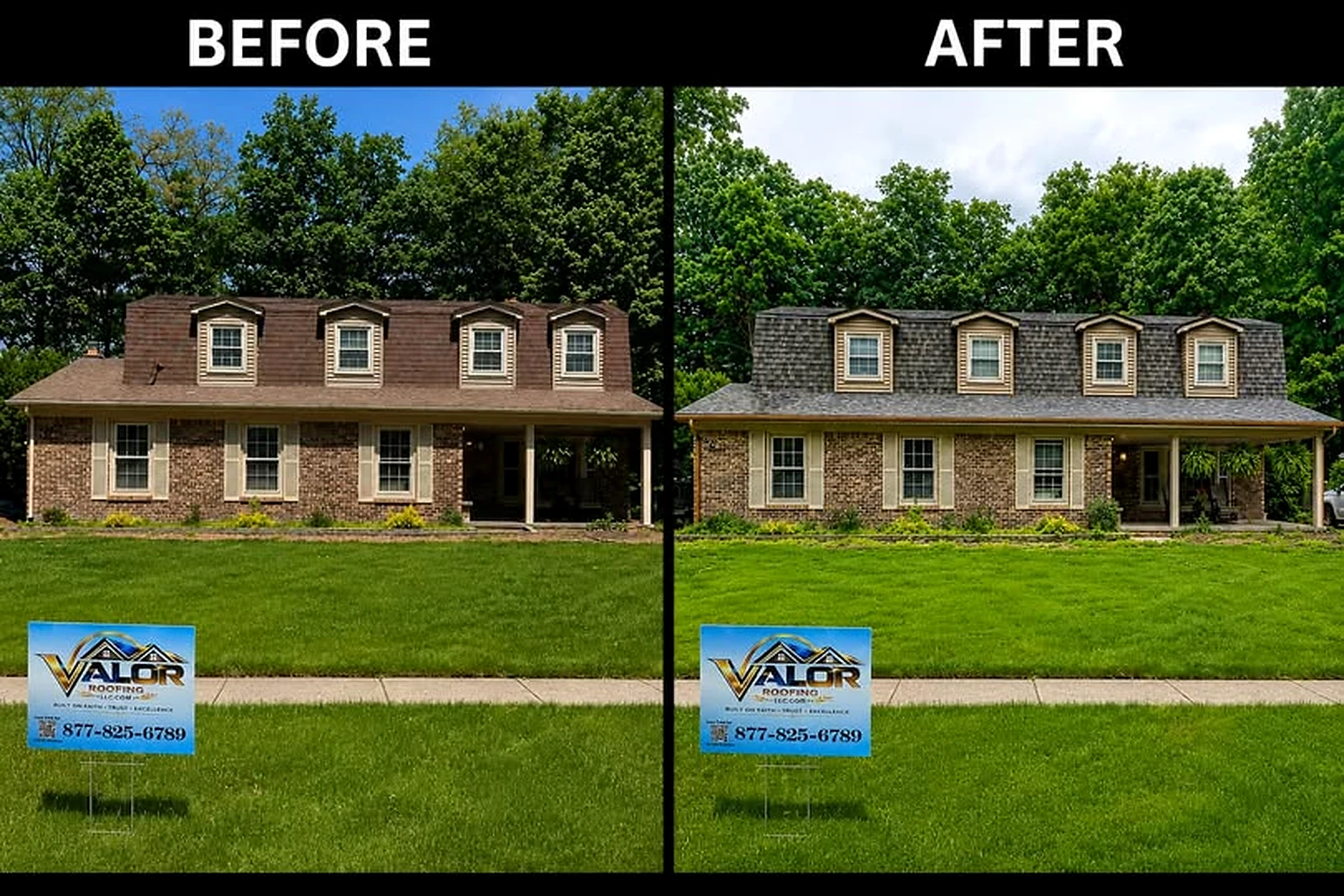
FIVE SERVICES, ONE LOCAL STARTING POINT
What Auburn Hills Homeowners Commonly Need From a Roofing Contractor
Roof Repair
Leaks, missing shingles, failed pipe boots, damaged flashing and isolated storm problems may be repairable when the surrounding roof remains serviceable. Repair starts by finding the cause, not merely sealing the first symptom.
Roof Replacement
Widespread aging, repeated leaks, brittle shingles or years of patching can make replacement the cleaner long-term decision. The replacement page explains tear-off, scope, components and cost drivers in depth.
Storm Damage
After wind, hail or falling debris, document visible conditions and protect active openings when safe. Valor can document roof conditions; the insurance carrier decides coverage under the policy.
Shingle Roofing
Architectural asphalt shingles are common on Michigan homes because they balance appearance, availability and weather performance. The full installed system matters more than the color board alone.
Roof Installation
Durable installation depends on deck condition, underlayment, ice-water protection, flashing, ventilation, starter and ridge components, fastening and cleanup. Shingles are the visible layer, not the entire roof.
Not Sure Which One?
That is when an inspection is useful. Start with the roof’s condition, separate urgent issues from long-term planning, and then choose the appropriate service path.
WHAT A GOOD INSPECTION SHOULD ANSWER
The Roof Is a System, Not a Shingle Count From the Driveway
Shingles, edges and wind exposure
Wind can loosen seals, crease shingles or pull material from edges and ridges. Damage is not always obvious, so exposed eaves and roof planes deserve a close look for uplift-related failures.
Flashing, valleys and roof penetrations
Chimneys, vents, skylights, sidewalls and roof-to-wall transitions are common leak locations when flashing fails. Valleys concentrate runoff and debris, and interior staining may appear away from the exterior entry point, so diagnosis should follow the water path.
Decking and structural clues
Soft areas, sagging or attic staining can indicate decking concerns. Some wood damage stays hidden until tear-off, so the estimate should explain how concealed decking will be documented, approved and priced if uncovered.
Ventilation and attic moisture
Intake and exhaust ventilation help manage attic heat and moisture. Winter snowmelt can refreeze at colder eaves, so ventilation should be reviewed with insulation, air leakage and roof geometry rather than treated as an optional accessory.
Storm evidence and documentation
After severe weather, photos and notes can document lifted shingles, impact marks, displaced flashing, tree contact, punctures and interior water entry. Valor can document visible conditions without promising how an insurer will interpret coverage.
Repairability versus broader failure
One leak does not automatically mean replacement, but widespread deterioration should not be patched indefinitely. The inspection should identify what remains serviceable and when the system is no longer a good repair candidate.
THE COMPONENTS HOMEOWNERS DO NOT SEE FROM THE STREET
Underlayment, Ice-Water Protection, Flashing, Decking and Ventilation Decide Whether the System Works
Roof Deck
The roof covering needs a sound substrate. Rotten, delaminated or structurally unsuitable decking should be documented and corrected before new materials cover it. Hidden deck conditions are one reason written change-order rules matter.
Underlayment
Underlayment adds a secondary water-management layer beneath shingles. Product selection and placement should match the roof design, manufacturer requirements and applicable code rather than being treated as a disposable line item.
Ice & Water Protection
Self-adhered water protection is used at vulnerable locations where required or appropriate, commonly including eaves, valleys and certain penetrations. Exact placement depends on the system, roof geometry and current requirements.
Flashing
Step flashing, counterflashing, valley details, pipe boots and wall transitions are where roofing becomes craftsmanship instead of just material coverage. Reusing failed flashing can undermine an otherwise new roof.
Ventilation
Intake and exhaust should be evaluated together. Replacement is an opportunity to check whether the existing ventilation arrangement fits the attic and roof rather than automatically copying whatever was there before.
Starter & Ridge Components
Starter courses, ridge caps and manufacturer-approved accessories help the roof system resist weather and qualify for applicable system warranties. The shingle field should not be specified in isolation from the accessories around it.
SHINGLES AND CURB APPEAL
Choose a Roof That Fits the House, Then Make Sure the System Under It Is Built Correctly
Most Auburn Hills homeowners comparing new roofs begin with shingle color and profile because that is what they can see. That matters. The roof covers a large percentage of the exterior, so a dimensional shingle can change how brick, siding, stone and trim read from the street. A color that looks excellent on a sample board can look different across a full roof plane in Michigan sun, cloud cover and winter light.
Architectural asphalt shingles are a common residential choice because they offer broad design options and a practical balance of performance and cost. Product line, wind ratings, warranty terms and compatible accessories should be reviewed together. Valor’s current Owens Corning profile identifies the company as a Preferred Contractor, so Owens Corning systems can be part of that conversation when appropriate.
The material decision still should not overshadow installation. A premium shingle over poor flashing, weak ventilation or deteriorated decking is an expensive way to preserve the original problem. The better comparison is complete installed system versus complete installed system.
Before selecting a shingle
- Review full-size or installed color examples when possible
- Compare the roof color with brick, siding and trim
- Confirm compatible starter, ridge and underlayment components
- Ask what warranty documents will be provided
- Confirm ventilation and flashing scope before choosing upgrades
- Use a factual photo filename and alt tag for finished-project images
A CLEARER PROJECT PROCESS
What Auburn Hills Homeowners Should Expect From Inspection Through Final Walkthrough
Inspect and document
Review roof surfaces, edges, penetrations, flashing, valleys, visible deck concerns, attic clues where appropriate, ventilation and evidence of storm damage.
Define the right scope
Separate localized repairable conditions from broader deterioration. If replacement is recommended, identify the full roof-system components rather than presenting a shingle-only price.
Review materials and details
Discuss shingle profile, color, underlayment, ice-water protection, flashing, ventilation, decking provisions, property protection, cleanup and warranty documentation.
Protect the property
Plan staging, access, landscaping protection, driveway use and debris control before tear-off begins. Roofing work should not create avoidable damage around the home.
Complete work and cleanup
Install or repair the approved scope, remove debris and perform a careful jobsite cleanup. Magnetic nail pickup is a practical part of protecting lawns and driveways.
Final review and documents
Review completed work, address punch-list items and provide applicable manufacturer and workmanship information so the homeowner knows what was installed.
ROOFING COSTS WITHOUT INVENTED AUBURN HILLS PRICES
Why Two Roofing Estimates Can Be Far Apart Even When Both Contractors Measured the Same House
The legacy Auburn Hills page published a neat replacement price range. That kind of number looks convenient until it is applied to a house with a steep pitch, multiple layers, complex valleys, damaged decking, difficult access or ventilation work. A city page should explain the variables instead of pretending every roof in 48326 fits the same budget box.
For replacement, major cost factors include total roof surface area, pitch, number of stories, access, tear-off requirements, disposal, valleys, dormers, chimneys, skylights, roof-to-wall transitions, flashing, decking condition, ventilation changes, shingle selection and accessory components. A simple ranch roof and a multi-level roof with several transitions can require very different labor even when the homes have similar interior square footage.
Repair pricing is equally dependent on cause. Replacing a limited group of wind-damaged shingles is different from opening a sidewall transition to correct concealed flashing or tracing a leak that has traveled through the roof assembly. The correct estimate comes after diagnosis.
Compare the written scope, not just the total
- Tear-off or defined repair area
- Shingle and accessory products
- Underlayment and water protection
- Flashing and penetration details
- Ventilation work
- Decking allowance / approval process
- Property protection and disposal
- Cleanup and magnetic nail pickup
- Manufacturer and workmanship information
STORM DAMAGE AND INSURANCE
Document the Roof, Protect the Property and Keep Insurance Promises Out of the Sales Pitch
Michigan’s Department of Insurance and Financial Services advises consumers to review their policies and understand what is covered before and after severe weather. DIFS also notes that coverage decisions depend on the policy and the covered loss. A roofing contractor can document visible damage and provide repair or replacement information, but the insurer determines coverage.
If wind, hail or falling debris creates an opening, protect the property from additional damage when it can be done safely and keep records of temporary measures. Avoid climbing onto a storm-damaged roof yourself. Photograph visible damage from the ground, interior water entry and affected exterior components, then arrange a professional inspection.
For Auburn Hills homeowners, the useful value of the roofing inspection is a clear record: what was visible, which roof areas were affected, whether flashing or shingles were displaced, whether temporary protection is needed and what repair or replacement scope the roof condition supports.
What Valor can help document
- Missing, lifted or creased shingles
- Visible impact marks or punctures
- Flashing displacement
- Tree or debris contact
- Interior staining linked to the event
- Photos and written roof-condition notes
- Repair / replacement scope based on inspection findings
HIRING A ROOFER IN AUBURN HILLS
Verify the Contractor, the Scope and the Local Permit Requirements Before Work Starts
Michigan LARA advises homeowners to verify licensing for covered residential construction work and to check references before hiring. Roofing is one of the trades listed under Michigan’s Maintenance & Alteration contractor framework. That makes license verification part of sensible due diligence, not paperwork trivia.
Auburn Hills Building Services provides local permit and inspection information through the city’s Community Development department. Rakesh should link this page to the city authority as a homeowner resource, while Valor should confirm the permit path for the specific project rather than making a blanket claim that every roof project follows an identical process.
Before signing, compare the written scope. Ask who is responsible for the work, what insurance is carried, how hidden decking is handled, which shingles and accessory products are specified, what flashing will be replaced, how the property will be protected, what cleanup is included and what warranty documents will be delivered.
City of Auburn Hills Building Services →
Michigan LARA homeowner contractor guidance →
Valor authority points to verify at launch
- Current Michigan licensing / company status
- Current general liability insurance
- Owens Corning contractor profile remains active
- Current Google review rating before displaying a number
- Current financing terms before making financing claims
Owens Corning currently maintains a live contractor profile for Valor Roofing LLC and identifies the company as a Preferred Contractor. Verify the live badge/tier immediately before publishing.
AUBURN HILLS INSIDE THE OAKLAND COUNTY NETWORK
Primary Oakland County hubs
County + nearby city authority
Resource authority
AUBURN HILLS ROOFING KNOWLEDGE CENTER
AUBURN HILLS ROOFING FAQ
Questions Homeowners Ask Before Repairing or Replacing a Roof
How do I know whether my Auburn Hills roof needs repair or replacement?
Start with the condition of the whole roof, not one symptom. A localized flashing problem, pipe-boot failure or limited wind damage may be repairable when the surrounding shingles remain serviceable. Widespread aging, recurring leaks, brittle shingles or broad system problems can make replacement more sensible. A documented inspection should drive the decision.
What ZIP code does this Auburn Hills roofing page target?
The primary Auburn Hills residential ZIP is 48326. Some boundary properties can use nearby postal designations, so service should be confirmed by street address. The page should not stuff unrelated ZIP codes into the copy merely to manufacture local relevance.
How does Michigan weather affect roofs in Auburn Hills?
Auburn Hills roofs deal with wind, rain, snow, ice and repeated freeze-thaw cycles. Those conditions can expose weak flashing, loosen or crease shingles, contribute to ice-related water backup and accelerate problems where drainage, ventilation or attic moisture management is poor.
Does attic ventilation really matter?
Yes. Intake and exhaust ventilation help manage attic heat and moisture. Winter roof performance is also affected by insulation and air leakage. Ventilation should be evaluated as part of the roof system rather than treated as an afterthought or a single product to add automatically.
What should an Auburn Hills roofing estimate include?
A useful estimate should define the repair area or tear-off, materials, underlayment, water protection, flashing, ventilation, decking provisions, disposal, cleanup, warranty information and how hidden conditions are handled.
How long does a roof replacement take?
Duration depends on roof size, pitch, complexity, access, weather, tear-off and hidden conditions. A straightforward roof may move quickly; a complex roofline or deck repair can add time.
Can wind-damaged shingles be repaired without replacing the entire roof?
Sometimes. Limited damage may be repairable when matching materials are available and the surrounding roof remains sound. Broader damage, brittle shingles or repeated failures can change the recommendation. The storm-damage page explains documentation and insurance roles.
What roofing material is most common for Auburn Hills homes?
Architectural asphalt shingles are common because they combine appearance, availability and weather performance. The right product still depends on the home, exposure, ventilation, budget and complete installed system.
What happens if damaged roof decking is discovered after tear-off?
Decking problems may remain hidden before tear-off. The proposal should explain how unsuitable wood will be documented, approved and priced. New roofing needs a sound substrate.
Do I need to verify a roofing contractor’s Michigan license?
Michigan LARA advises homeowners to verify licensing and check references for covered residential work. Confirm the contractor’s current license, insurance, written scope and warranty information before signing.
Does Auburn Hills require roofing permits?
Permit requirements depend on scope. Auburn Hills Building Services provides current permit and inspection information, so the applicable local requirements should be confirmed for the specific project.
Can I request an inspection if I am not sure what service I need?
Yes. An inspection is the right starting point when you are unsure whether the roof needs repair, replacement planning, storm documentation or monitoring. Identify the condition first, then choose the appropriate service path.