
A roof leak, missing shingle, failed pipe boot or damaged flashing does not automatically mean you need a new roof. Valor Roofing LLC starts with the problem, documents what is happening, and helps you choose the repair that protects your home without turning a fixable issue into an unnecessary replacement.
Water can travel along decking, rafters, nails and insulation before it finally shows up as a ceiling stain. That is why the wet spot inside the house is not always directly below the roof failure. A useful repair inspection looks beyond the stain and traces likely entry points across the roof system.
Ceiling stains, attic dampness, dripping water and recurring moisture need source-based diagnosis. Common entry points include flashing, penetrations, damaged shingles, valleys and exposed fasteners.
Wind can lift, crease or remove shingles. Hail and age can weaken the surface. If damage is localized and surrounding shingles remain serviceable, a targeted repair may restore protection.
Chimneys, sidewalls, roof-to-wall transitions and other junctions depend on properly installed flashing. Separated, corroded or poorly integrated flashing can allow water beneath the roof covering.
Plumbing vent boots and other penetrations can crack, split or deteriorate over time. These small components can create very real leaks even when the surrounding shingle field looks healthy.
Valleys move a large amount of water during rain and snowmelt. Damaged shingles, debris, poor detailing or failing valley materials can concentrate water exactly where you do not want it.
Storm damage can be obvious or subtle. Missing shingles are easy to spot, while lifted seals, creases and impact-related damage may require a closer inspection and clear photo documentation.
A dependable repair starts by understanding how the roof sheds water as a system. Valor Roofing evaluates the damaged area and the surrounding roof because a visible failure can be connected to conditions several feet away. That can include shingle wear, nail placement, flashing details, pipe boots, ridge and box vents, valleys, wall intersections, chimney areas, gutters, drainage patterns and accessible attic evidence.
Ventilation is also part of the diagnosis when the symptoms point to heat or moisture rather than direct rain entry. Condensation in an attic can sometimes imitate a roof leak. The correct response is to identify whether the moisture is coming from outside, being generated inside, or being trapped by inadequate airflow. Repairing shingles will not solve a moisture problem that began somewhere else.

Roof damage often announces itself inside the home first. Treat a new stain or damp smell as useful evidence, not decorative ceiling art invented by Michigan weather.
An active leak during heavy rain, wind or melting snow deserves fast attention, but it does not justify climbing onto a wet or icy roof. The safest first steps are usually inside the house: protect belongings, contain water when practical, photograph visible damage, and keep people away from sagging ceilings or electrical hazards.
Move furniture and valuables away from the leak. Use containers where safe. If water is near electrical fixtures or the ceiling is bulging, keep clear and treat the area as a safety concern.
Photos of ceiling stains, active water, shingles on the ground or visible storm damage can help establish what happened and give the roofer useful context before the inspection.
Once conditions are safe, the roof should be evaluated to determine whether temporary protection, a localized repair, storm documentation or a broader roofing solution is appropriate.
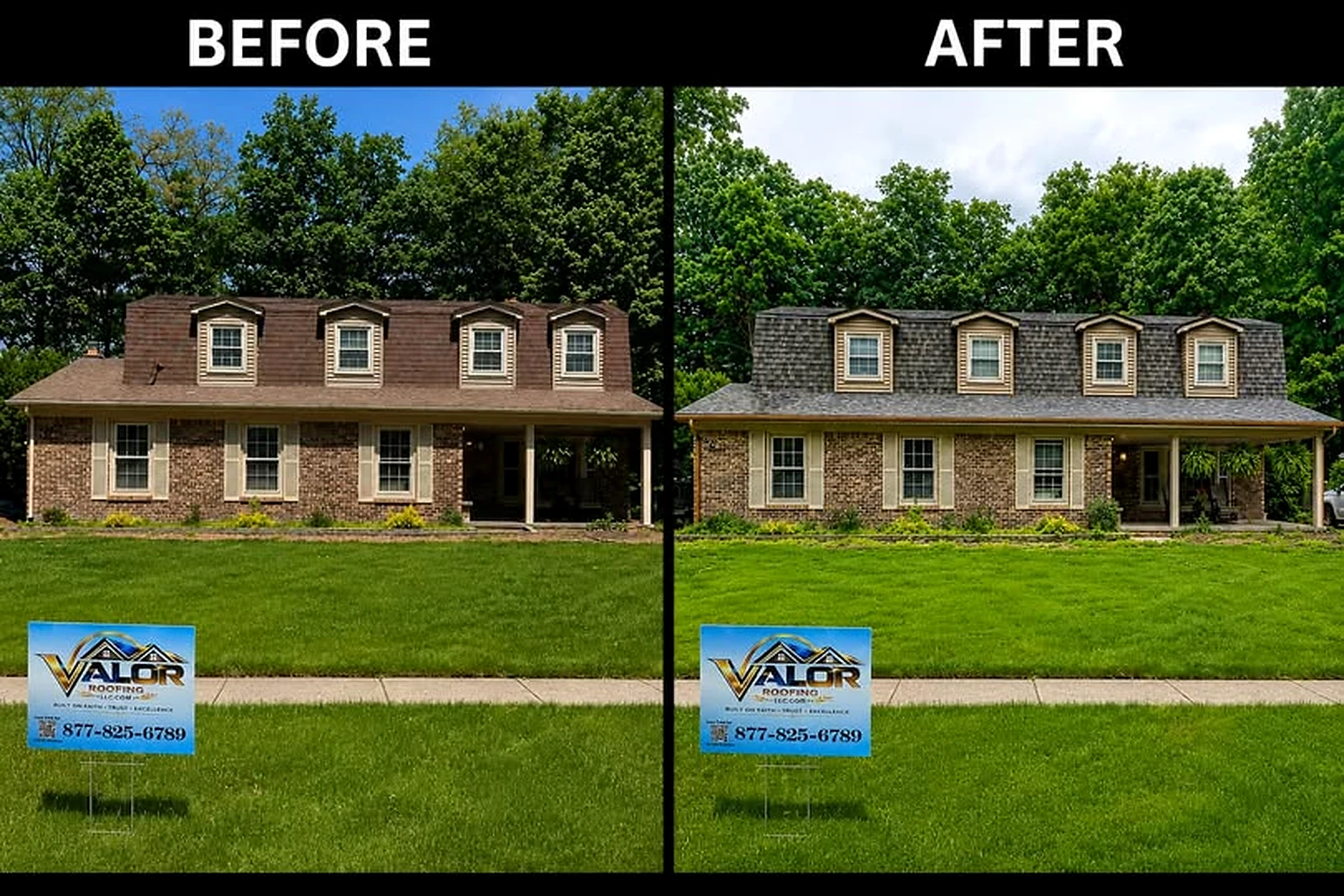
Roofs in Oakland and Macomb counties deal with a full cycle of wind, rain, snow, ice, heat and repeated temperature changes. A roof detail that appears fine in calm weather can begin leaking once wind-driven rain reaches it from a different direction. Snow accumulation and melting can move water slowly across vulnerable areas. Freeze-thaw cycles can stress aging sealants, flashings and penetrations.
Wind is particularly important with asphalt shingles. Owens Corning notes that significant wind can blow shingles off and can also break adhesive seals in ways that are not always easy to see from the ground. That is one reason an inspection after a meaningful storm should look for more than missing shingles.
The goal is to catch a compromised detail while the damage is still localized, before repeated moisture reaches decking, insulation or interior finishes.
Explore Roof Replacement →
Roofing Services in Southeast Michigan →
We start with the reported problem, then review the roof surface and the areas most likely to create that symptom. When accessible and relevant, interior or attic evidence can help narrow the source.
We look at shingles, penetrations, flashing, valleys, chimneys, vents, fasteners, roof transitions and surrounding conditions rather than assuming the leak is directly above the stain.
Photos give homeowners something more useful than “trust us.” They also help separate normal wear, isolated repair items and visible storm-related concerns.
If a focused repair is sensible, we explain the repair. If the roof is failing broadly, we explain why another patch may not be a good use of money and connect you to the replacement path.
The crew addresses the documented scope with attention to the repair area and the surrounding roof system. The goal is a durable fix, not a cosmetic cover-up.
When the roof is aging overall, we identify what to monitor so you can plan ahead instead of being surprised by the next storm or leak.
After severe weather, the useful question is not “Can someone get me a new roof?” It is “What damage is actually present, and what does the roof need now?” Valor Roofing can inspect visible storm-related conditions, photograph the roof and explain whether the damage appears localized, repairable or broad enough to justify a larger conversation.
Missing shingles, lifted or creased tabs, compromised seals, displaced ridge materials and damaged flashing can create immediate or delayed leak risks. Some wind damage is easy to see; some requires closer inspection.
Hail can affect shingles, vents, soft metals and other roof components. An inspection should document observable conditions without pretending every mark automatically proves functional damage or insurance coverage.
Coverage decisions belong to the insurance carrier and the policy. Valor Roofing can help with the roofing side of the process by documenting visible conditions and explaining the repair or replacement scope. Visit Storm Damage & Insurance Claims for the dedicated claim-support.
Roof repair, replacement, storm damage and shingle roofing for 48306, 48307 and 48309.
Countywide roofing authority connecting Clarkston, Rochester Hills, Bloomfield and nearby communities.
Local roofing help for leaks, shingle damage, replacement planning and storm-related concerns.
Repair and replacement guidance for homes with complex rooflines, valleys, chimneys and architectural details.
Local shingle repair, leak inspections, storm support and replacement guidance.
Residential roofing help for developing neighborhoods, established homes and storm-exposed roofs.
Valor Roofing LLC is a Michigan roofing company serving homeowners across Southeast Michigan. The company is listed by Owens Corning as a Preferred Contractor and focuses on inspection, roof repair, roof replacement, storm damage support and residential roofing systems.
For repair customers, the value is straightforward: identify the failure, show the homeowner what is visible, explain whether the roof still has useful life and provide a clear next step. Premium service comes down to good diagnosis, careful work, communication and accountability.
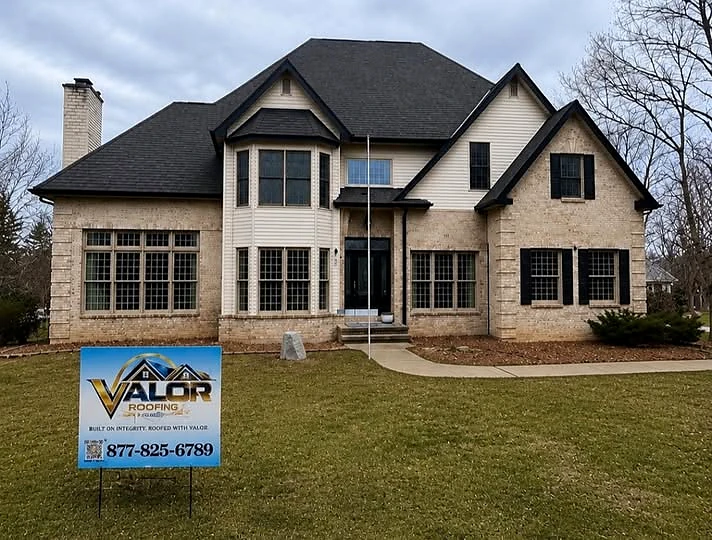
Valor’s organized resource hub for repair, replacement, storm damage, materials, cost and local homeowner guides.
Local repair warning signs, diagnosis, repair-vs-replacement guidance and Rochester Hills roof considerations.
A focused guide to common roof-leak sources and the details homeowners should understand before approving a repair.
Repair guidance for Bloomfield-area homes and rooflines with flashing, valley and architectural complexity.
Local information for leaks, shingle damage and storm-related repair decisions in Macomb Township.
Local repair guidance for homeowners deciding whether isolated damage can be fixed responsibly.
A leak may be repairable when the source is localized and the surrounding roof remains in serviceable condition. Common examples include a failed pipe boot, isolated flashing problem, small area of wind damage or limited shingle loss. The decision changes when leaks are recurring, shingles are brittle across multiple slopes, decking is deteriorated or the roof is approaching the end of practical service life.
Common leak sources include damaged or missing shingles, failed flashing, cracked pipe boots, exposed fasteners, chimney details, roof-to-wall transitions, valleys, vents and storm-related damage. Sometimes attic condensation or another moisture source can mimic a roof leak, which is why diagnosis matters before materials are replaced.
It can. A missing shingle may expose underlayment and fastening areas to weather, especially during wind-driven rain. Whether the roof leaks immediately depends on the location, the condition of underlying materials and the surrounding roof system. Missing shingles should be evaluated rather than ignored because wind damage can extend beyond the single visible gap.
Valor Roofing evaluates flashing and roof penetrations as part of leak diagnosis. Chimneys, plumbing vents, box vents, sidewalls and other transitions are common water-entry points. The correct repair depends on how the existing flashing was installed, the surrounding shingle condition and whether the problem can be corrected without opening a larger section of the roof.
Yes. A plumbing vent penetration creates an opening through the roof system, and the boot is part of what keeps water from entering around that opening. When the boot cracks or deteriorates, water can reach decking, insulation and interior finishes. It is a small component with a disproportionate talent for creating expensive inconvenience.
If the storm was significant or you notice new roof symptoms, an inspection can still be useful. Wind can lift shingles or compromise adhesive seals without removing the shingle completely. Owens Corning specifically notes that some wind damage is not easy to see from the ground. Avoid climbing onto the roof yourself after a storm.
Sometimes. The answer depends on how much of the roof is affected, the location and type of damage, shingle condition, roof age and whether a localized repair can be completed reliably. An inspection should document the visible conditions first. Insurance coverage is determined by the carrier and policy, not by the roofing contractor.
Protect people first. Stay off a wet, windy or icy roof. Move belongings away from the leak, contain water when it is safe to do so, photograph visible damage and avoid areas where a ceiling is sagging or water is near electrical fixtures. Then contact a roofing professional for inspection and temporary or permanent repair when conditions allow safe access.
It can. Warm, moist air can condense on cold attic surfaces and create damp decking or insulation even when rain is not entering through the roof covering. Ventilation, insulation, air leakage and outdoor conditions can all play a role. The inspection should distinguish direct water intrusion from condensation before recommending a roof repair.
There is no responsible single price for every repair. Cost depends on the source of the problem, roof pitch and access, material type, the size of the damaged area, flashing or penetration work, decking condition and whether matching shingles are available. A small boot or shingle repair is fundamentally different from opening a valley or rebuilding chimney flashing. A written inspection-based scope is more useful than a generic online number.
Repeated leaks in different areas, widespread shingle wear, brittle materials, significant granule loss, decking problems and multiple prior patches can indicate that repairs are only buying short periods of time. Replacement may be more economical when the surrounding roof no longer has enough useful life to justify continued repair spending.
Yes. Valor Roofing serves homeowners across Southeast Michigan, including Rochester Hills, Clarkston, Bloomfield and Bloomfield Hills, Shelby Township, Macomb Township and broader Oakland and Macomb County communities. The website also includes dedicated local roofing and repair guides for several of these areas.
Valor Roofing serves homeowners across Oakland County, Macomb County and nearby Southeast Michigan communities with roof-leak diagnosis, targeted repairs, storm inspections and clear repair-vs-replacement guidance.