Valor Roofing LLC

5★ Rated • Licensed & Insured • Michigan Roofing Specialists
Call now: (877) 825-6789
RESIDENTIAL ROOF INSTALLATION • SOUTHEAST MICHIGAN

Residential Roof Installation in Southeast Michigan, Built Layer by Layer

Once a homeowner is moving forward with a complete roofing system, the quality of the installation matters as much as the shingles selected. Valor Roofing builds residential roofs around the deck, water-management layers, flashing, ventilation, fastening, property protection and final quality control that determine whether the finished roof is more than a good-looking surface.

Licensed & InsuredOwens Corning Preferred ContractorOakland + Macomb County
Deck + Dry-In Planning
Flashing + Water Management
Balanced Ventilation Review
Cleanup + Final QA
If you are still deciding whether an aging roof should be torn off and replaced, use the Roof Replacement page. If you have an isolated leak or damaged area, start with Roof Repair. If wind or hail triggered the project, use Storm Damage & Insurance Claims. For detailed asphalt-shingle styles, impact ratings and color guidance, visit Shingle Roofing.
THE WHOLE ROOF SYSTEM

A Finished Roof Is a Sequence of Layers and Details

Shingles are the visible finish, but installation quality is built underneath them and at every transition where water, wind or attic air can challenge the system.
01
Roof Deck
02
Ice + Water
03
Underlayment
04
Starter + Shingles
05
Flashing + Ridge
06
Ventilation
Seal

Manage Water Before It Reaches the House

Eaves, valleys, sidewalls, chimneys, penetrations and other transitions need a deliberate water-management plan. The goal is not to depend on one product everywhere. It is to layer compatible components so water is directed down and off the roof.

Defend

Install the Exposed Roof Covering Correctly

Starter materials, shingle layout, fastener placement, valleys and hip-and-ridge details all affect performance. Manufacturer instructions are product-specific, which is why “we always do it this way” is not a substitute for installing the selected system correctly.

Breathe

Make the Attic Part of the Conversation

Roof ventilation is not decoration. Intake and exhaust paths can influence attic heat and moisture, winter freeze-thaw behavior and the conditions the new roof has to live over for years.

Owens Corning describes its integrated roof-system approach around sealing, defending and breathing. Its current component guidance includes ice/water barrier, synthetic underlayment, starter shingles, laminate shingles, hip-and-ridge shingles and ventilation. Valor should use manufacturer terminology accurately without implying that every project uses the same accessory package.
BEFORE THE FIRST BUNDLE OPENS

Good Roof Installation Starts With Scope, Staging and a Dry-Weather Plan

The roofing crew should know more than the shingle color before work starts. Roof geometry, pitch, access, landscaping, driveway use, material staging, weather windows, existing ventilation, wall transitions, chimneys, skylights and known deck concerns all affect how the job should be organized.

That planning matters because roofing is a fast-moving construction operation around an occupied home. Materials are delivered, old roofing may be removed, the deck can become exposed, debris moves from roof to ground, and the crew has to keep the house protected while the new system is assembled.

A written scope should identify the major components and responsibilities that can be known in advance. It should also explain how hidden conditions are handled if they become visible during the work. The goal is not to pretend surprises never happen. The goal is to keep surprises from becoming arguments.

  • Confirm roof areas, pitches and difficult access points
  • Identify chimneys, skylights, walls, valleys and penetrations that need flashing attention
  • Review attic intake and exhaust ventilation rather than counting roof vents alone
  • Plan delivery, driveway access and homeowner vehicle movement
  • Protect landscaping, siding, windows, decks, HVAC equipment and exterior fixtures
  • Watch the weather window and keep exposed areas controlled
Clarkston, MI - Full Roof Replacement
FOUNDATION FIRST

The New Roof Depends on the Roof Deck Beneath It

Asphalt shingles are designed to be installed over a properly built and supported roof deck with suitable nail-holding capacity. That makes the deck one of the most consequential parts of the installation even though homeowners rarely see it once the job is complete.

When an existing roof covering is removed, the exposed sheathing can reveal conditions that were hidden from the attic or exterior inspection. Deteriorated wood, previous patchwork, unusual spacing, damaged edges or moisture-related problems need to be evaluated before the new roofing system covers them again.

Owens Corning’s current Duration installation instructions identify minimum deck requirements for common wood decks and direct installers to protect the deck from getting wet before, during and after installation. The exact requirements for the selected product and home should be confirmed against manufacturer instructions and applicable local code.

The homeowner-facing part is simpler: the crew should not treat the deck as an invisible surface that gets covered no matter what. If questionable wood is uncovered, it should be documented, explained and addressed through the project’s agreed change process.

DECK QA QUESTIONS

What should the crew be checking?

  • Is the deck structurally sound and adequately supported?
  • Are there soft, deteriorated or damaged areas?
  • Does the surface provide proper fastener holding?
  • Are old openings or penetrations being handled correctly?
  • Is the deck being kept dry as the roof is opened and rebuilt?
  • Are changes documented before they disappear under underlayment?
DRY-IN + WATER MANAGEMENT

Ice & Water Protection and Underlayment Are Not Decorative Extras

Michigan roofs need a disciplined dry-in strategy because eaves, valleys and roof transitions face rain, wind-driven water, melting snow and freeze-thaw cycles long after the crew leaves.
ICE + WATER BARRIER

Protect the Most Vulnerable Zones

Self-adhered membrane is used where water backup or concentration creates additional risk. Owens Corning’s Duration instructions specifically call for self-adhered ice and water barrier at eaves in regions where roofs have a history of water backup from ice dams, extending upslope according to the stated requirement and local code. Valleys and other vulnerable details may also require dedicated protection based on the roof design and instructions.

Michigan’s own winter-preparedness guidance explains why eaves matter: snow can melt over warmer roof areas and refreeze at colder edges, creating ice-dam conditions that allow water to back up. The installation cannot eliminate weather, but the roof can be detailed with those conditions in mind.

SYNTHETIC UNDERLAYMENT

Create a Secondary Water-Shedding Layer

Underlayment sits between the roof deck and shingles and helps manage water that gets beneath the exposed roof covering. Product choice, overlap and fastening vary with the selected material, roof slope and manufacturer instructions.

For lower-slope shingle applications, manufacturer requirements become even more specific. That is one reason a roof should not be treated as one giant flat surface. Pitch changes, porches, additions and tie-ins may require different details than the main roof plane.

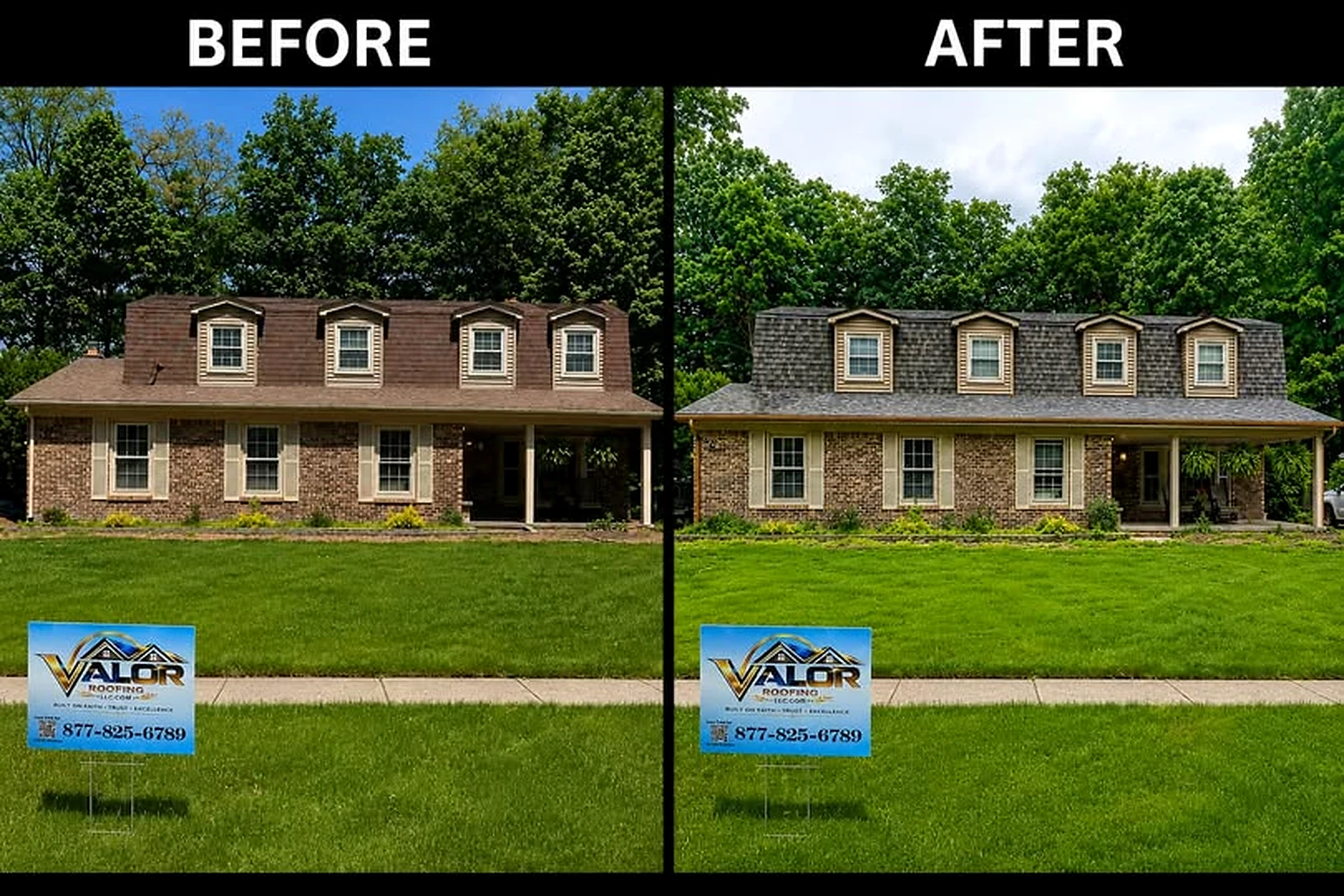
Before and after comparison of a residential roof replacement completed by Valor Roofing
WHERE WORKMANSHIP SHOWS

Starter, Fastening, Valleys, Flashing and Ridge Details Deserve Their Own Attention

Starter Course + Perimeter

The lower edge of the roof is exposed to wind pressure and water flow, which is why starter materials and the first course should be installed according to the selected system. Owens Corning publishes specific starter positioning, overhang and fastening instructions for its Duration-series shingles.

Shingle Fastening

Nails are small components with a large job. Correct fastener type, penetration, location and pattern help secure shingles as designed. Product-specific instructions may require designated fastening zones or additional fasteners in certain applications.

Valleys

Valleys concentrate runoff from adjoining roof planes. Their underlayment, shingle layout and fastener placement should follow an accepted valley method appropriate to the selected system rather than being improvised as the crew reaches the intersection.

Sidewalls + Chimneys

Roof-to-wall intersections and chimneys need corrosion-resistant flashing integrated with the shingles and wall system. Owens Corning publishes step-flashing guidance and directs installers to local code and additional flashing details.

Penetrations

Plumbing vents, exhaust penetrations and other roof openings interrupt the water-shedding surface. Boots and flashings need to be compatible, correctly placed and integrated before the surrounding shingles are finalized.

Hip + Ridge Finish

Hip-and-ridge components protect some of the roof’s most exposed lines and complete the visual profile. They should be selected and installed as intended for the shingle system rather than treated as leftover material folded over the peak.

THE ATTIC BELOW THE ROOF

Ventilation Should Be Reviewed Before the New Roof Locks the Old Mistakes in Place

A roof can be installed neatly from the outside while still sitting over an attic with poor airflow. That is why a full installation should at least evaluate how air enters at the lower roof and how it exits higher up. Simply adding more exhaust vents does not automatically create balanced ventilation if the intake side is restricted.

Ventilation helps manage attic heat and moisture. Michigan’s winter-preparedness guidance also emphasizes insulation and airflow from the eaves or soffit area toward roof vents as part of reducing the freeze-thaw cycle that contributes to ice dams.

This does not mean every house needs the same ridge-vent solution. Roof shape, attic layout, soffit construction and existing mechanical penetrations can change the best approach. The important point is that ventilation is evaluated as a system before the final roof closes off easy access to the details.

INSTALLATION CHECK

Questions worth answering

  • Where does attic intake air enter?
  • Are soffit/intake paths blocked by insulation or construction?
  • Where does exhaust air leave?
  • Are multiple exhaust types fighting each other?
  • Does the roof geometry require a different ventilation strategy?
  • Are bath/kitchen exhausts correctly terminated rather than dumping moisture into the attic?
MICHIGAN INSTALLATION CONDITIONS

Cold Weather Changes the Installation Conversation

Southeast Michigan roofing work has to account for temperature, wind, precipitation and the way adhesives and materials behave when conditions change.
BELOW 40°F

Follow Cold-Weather Product Instructions

Owens Corning publishes specific precautions for Duration-series shingles when installation occurs below 40°F, including extra care in handling and hand-sealing requirements at perimeter shingles because factory adhesive may not activate immediately in low temperatures.

WIND

Fastening Is Part of Wind Performance

Wind resistance is not created by the shingle label alone. Correct starter, fastening pattern, nail placement, edge details and sealing conditions all matter. Product-specific instructions should control the installation.

RAIN + SNOW

Control Exposure During Tear-Off

The crew should plan how much roof is opened at a time and how the deck stays protected. A premium installation is not only about the final photograph; it is also about managing the house safely while the old roof is off.

THE HOUSE IS MORE THAN THE ROOF

Property Protection and Cleanup Are Part of Installation Quality

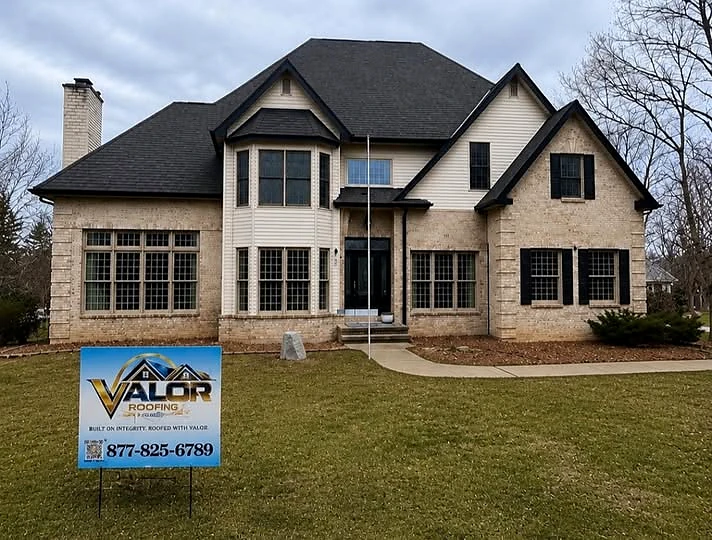
Completed residential roof replacement with Valor Roofing yard sign in Michigan

Roof installation creates noise, falling debris, foot traffic, delivery activity and temporary disruption. A company can install technically good shingles and still deliver a bad homeowner experience if the property feels uncontrolled.

Before work begins, homeowners should know where materials will be placed, where vehicles should be moved, what areas need to stay clear and how landscaping or exterior features will be protected. During tear-off, debris should be contained rather than allowed to migrate across the property. During cleanup, gutters, drives, decks, planting beds and lawn areas should be checked rather than relying on one quick pass.

Magnetic nail pickup is useful, but it works best as part of a broader cleanup process. The final goal is simple: the new roof should be the obvious sign that construction happened. The rest of the property should not look like evidence.

  • Delivery and staging plan
  • Driveway/vehicle coordination
  • Landscape and siding protection
  • Debris containment during tear-off
  • Daily cleanup as work progresses
  • Final magnetic sweep and property walk
VALOR INSTALLATION FLOW

What a Disciplined Residential Roof Installation Looks Like

This is the installation sequence, not a replacement-decision funnel. The purpose is to show how the crew gets from an approved scope to a finished roofing system.

Confirm the scope and materials. Review the project areas, shingle/system selection, known details, access and homeowner logistics before mobilization.

Protect the property and stage the job. Set up delivery, debris control and protection for landscaping, siding, windows, driveways, decks and exterior equipment.

Remove roofing according to the agreed scope. Open manageable sections and control exposure so the house remains protected while the roof is being rebuilt.

Inspect and prepare the deck. Document hidden conditions, address unsuitable areas through the agreed project process and create a sound installation surface.

Install ice/water protection and underlayment. Dry in the roof according to the selected products, roof geometry, manufacturer instructions and applicable local requirements.

Integrate flashing and critical transitions. Address valleys, walls, chimneys, penetrations and other details as part of the water-shedding system rather than after the fact.

Install starter, shingles and ridge components. Follow product-specific layout, fastening and sealing requirements. Keep courses visually clean while respecting the technical instructions.

Complete ventilation and accessory details. Confirm the intake/exhaust plan and finish roof-system components that need to work with the new covering.

Clean, inspect and document. Remove debris, perform nail cleanup, review the finished roof and provide applicable project and warranty documentation.

FINAL QUALITY CONTROL

The Last Walkthrough Should Verify More Than Curb Appeal

Roofline + Finish

Courses, ridges, edges and visible transitions should look deliberate. A premium shingle system should complement the home and not reveal rushed layout from the street.

Critical Details

Flashing, penetrations, valleys, ridge components and ventilation terminations should be reviewed for completeness. These are the details that tend to matter long after the drone photo is posted.

Property + Documentation

The grounds should be cleaned, homeowner questions answered and applicable warranty or project paperwork explained. Closeout is part of the job, not an administrative afterthought.

MATERIALS WITHOUT CANNIBALIZATION

The Shingle Choice Matters. The Dedicated Shingle Page Should Own the Deep Comparison.

Most Valor residential installations use asphalt-shingle systems, and the selected shingle affects appearance, accessory compatibility, fastening instructions, warranty options and the overall project package. But this page should not duplicate a full architectural-vs-3-tab-vs-impact-resistant buyer’s guide.

For deeper material guidance, the Shingle Roofing page covers architectural shingles, impact resistance, Class 3/Class 4 considerations, algae/staining, colors, lifespan and manufacturer choices. Installation then takes the selected product and applies its technical requirements to the actual roof.

Valor Roofing’s site identifies Owens Corning systems, and current Owens Corning directory results list Valor Roofing LLC in Clarkston. Valor’s current company/team content identifies Joshua as an Owens Corning Preferred Contractor. Use the Preferred designation only while that status remains verified; do not upgrade it to Platinum Preferred or invent enhanced warranty eligibility.

KEEP THESE TOPICS LIGHT HERE
  • Architectural vs. 3-tab comparison
  • Class 3 / Class 4 impact ratings
  • Detailed shingle color selection
  • Exact shingle lifespan claims
  • Designer-product comparisons
  • Deep warranty tier comparisons

Explore Shingle Roofing

MANUFACTURER + WARRANTY DISCIPLINE

Installation Instructions and Warranty Paperwork Need to Match the Actual Roof

Manufacturer warranties are not a substitute for installation quality, and warranty marketing should never outrun the paperwork. Shingle line, accessory components, installation method, contractor status, registration and other conditions can affect what coverage is available.

Owens Corning publishes installation instructions for each shingle family and individual roofing components. Those instructions include deck conditions, water protection, underlayment, fastening, starter, valley, flashing and hip-and-ridge details. A contractor’s job is to install the selected products according to the requirements that actually apply to that roof, not paraphrase an old instruction sheet from memory.

At project closeout, homeowners should know what products were installed and what warranty documentation applies. Avoid describing a “lifetime” warranty as a guaranteed real-world roof lifespan. Also avoid promising a specific wind or hail outcome unless the exact product, installation requirements and warranty terms support the statement.

Useful official references: Owens Corning Installation Instructions, Owens Corning Roofing Components, and Michigan LARA code resources.

SOUTHEAST MICHIGAN

Residential Roof Installation Across Oakland & Macomb County

Oakland County

County-level roofing hub for homeowners comparing Valor’s services, local conditions and major Oakland communities.

Rochester Hills

Priority city hub for residential roofing, repair, replacement and storm-related needs in Rochester Hills.

Clarkston

Valor’s flagship home-market page. Use this for deeper Clarkston relevance instead of stuffing Clarkston into every installation paragraph.

Bloomfield

Local roofing context for Bloomfield/Bloomfield Hills homes with premium exterior and roofline considerations.

Macomb Township

Macomb-side local hub for roofing inspections, installation, repair and replacement needs.

Shelby Township

Local service page connecting Shelby homeowners to Valor’s residential roofing system and inspection process.

ROOF INSTALLATION FAQ

Questions Michigan Homeowners Ask About How a New Roof Is Installed

What is the difference between roof installation and roof replacement?

Roof replacement is the decision and scope for removing an aging or failed roof and replacing it. Roof installation focuses on how the new roofing system is actually assembled: deck readiness, water protection, underlayment, flashing, starter materials, shingles, ventilation, ridge components, cleanup and final quality control. If you are still deciding whether your current roof should be replaced, start with Valor Roofing’s Roof Replacement page.

Does Valor Roofing install complete residential roofing systems?

Yes. Valor Roofing installs residential roofing systems across Southeast Michigan. The exact scope depends on the home, selected materials, roof design and conditions discovered during the project. The written proposal should identify what is included rather than relying on a generic package description.

Why does the roof deck matter before shingles are installed?

Shingles depend on a sound, properly supported surface with adequate fastener holding capacity. The exposed deck also gives the crew a chance to identify deteriorated or unsuitable areas before they are covered by the new system. Hidden wood conditions should be documented and handled according to the agreed project process.

Where is ice and water protection used on a Michigan roof?

Self-adhered ice and water protection is commonly used at vulnerable areas such as eaves and valleys and may also be used around penetrations or other locations based on the roof design, manufacturer instructions and local requirements. Owens Corning’s installation instructions specifically call for eave protection in regions with a history of ice-dam water backup.

Why is underlayment important if shingles are waterproof?

Asphalt shingles are a water-shedding roof covering, not the only moisture-management layer. Underlayment provides an additional water-shedding layer over the roof deck and works with the rest of the system. Product choice and application should follow the selected manufacturer’s instructions and applicable requirements.

How important is shingle fastening and nail placement?

Very important. Fastener type, penetration, location and pattern are part of the manufacturer’s installation requirements and can affect wind performance and warranty conditions. Owens Corning publishes product-specific fastening instructions, including designated fastening areas for Duration-series shingles.

What happens at valleys, walls, chimneys and roof penetrations?

These transitions deserve deliberate water-management details. Valleys, sidewalls, chimneys, skylights, vents and pipe penetrations need flashing and underlayment integration appropriate to the roof design. They should not be treated as afterthoughts once the field shingles are already installed.

Does attic ventilation matter during roof installation?

Yes. Intake and exhaust ventilation help manage attic heat and moisture. Michigan winter guidance also links attic insulation and airflow with reducing freeze-thaw conditions that contribute to ice dams. Ventilation should be reviewed as part of the roof system rather than assumed to be correct because vents already exist.

Can asphalt shingles be installed in cold Michigan weather?

Cold-weather work requires extra attention to product handling, sealing and manufacturer instructions. Owens Corning publishes additional precautions for installation below 40°F, including handling and sealing requirements for certain products. Weather, surface conditions and the specific shingle instructions should guide scheduling and installation decisions.

How does Valor Roofing protect the property during installation?

A professional installation plan should address access, material staging, landscaping, siding, windows, driveways, debris control and daily cleanup before tear-off begins. The final scope should also include debris removal and a thorough nail-cleanup process around the property.

How do I choose shingles without turning this into another shingle page?

This page focuses on installation quality. For architectural shingle categories, impact-resistant choices, colors, Class 3/Class 4 considerations and deeper material guidance, use Valor Roofing’s dedicated Shingle Roofing page. The selected product then gets installed according to its specific instructions and the agreed roof-system design.

What should I receive after the roof installation is complete?

Homeowners should understand what was installed and have access to the applicable proposal, change documentation, final project information and warranty materials. Exact manufacturer and workmanship coverage depends on the products, system, contractor status and registration requirements, so warranty promises should match the actual paperwork rather than marketing shorthand.

INSTALLATION STARTS WITH A CLEAR SCOPE

Planning a complete residential roof system?

Schedule an inspection with Valor Roofing and get a project-specific scope before materials, scheduling and installation details are finalized.