
LAKE ORION & ORION TOWNSHIP • OAKLAND COUNTY
Roofing Contractor in Lake Orion & Orion Township, MI
Valor Roofing LLC helps Lake Orion homeowners get clear answers about roof condition, repairs, replacement, shingles, installation and storm damage without turning every concern into the same sales pitch. Start with the house, the roof and the facts, then choose the right next step.
Licensed & InsuredLake Orion / Orion TownshipResidential Roofing FocusClear Inspection-First Guidance
A LOCAL ROOFING PAGE WITH A JOB TO DO
Lake Orion Roofing Help Should Be Local Without Becoming Another Copy of Every Service Page
Lake Orion and Orion Township sit in a part of Oakland County where roof exposure can change quickly from one property to the next. A home on a more open lot may take stronger wind exposure, while wooded properties can collect leaves and small debris in valleys and gutters or stay shaded longer after rain. Homes near lakes and low areas can also feel moisture differently than houses on more open ground. None of those conditions automatically mean a roof needs work, but they change what a useful inspection should pay attention to.
The goal is not to force every homeowner into a replacement conversation. A roof can have a single flashing problem, a small section of wind damage or a ventilation issue while the rest of the system remains serviceable. Another roof may have widespread aging, repeated leaks and brittle shingles that make another patch a poor long-term choice. Valor’s role is to document the condition and explain which path fits the roof.
That geographic approach also keeps the website cleaner. If you already know you need a roof repair, roof replacement, storm damage inspection, shingle roofing guidance or roof installation information, those dedicated pages go deeper. This Lake Orion hub helps you understand where to start.
Lake Orion / Orion Township Coverage
Primary ZIP codes for this page:
483594836048362
Nearby communities that naturally connect into the same Oakland County roofing network include Oakland Township, Oxford, Auburn Hills, Rochester Hills and Clarkston/Independence Township.
REAL LOCAL PROOF
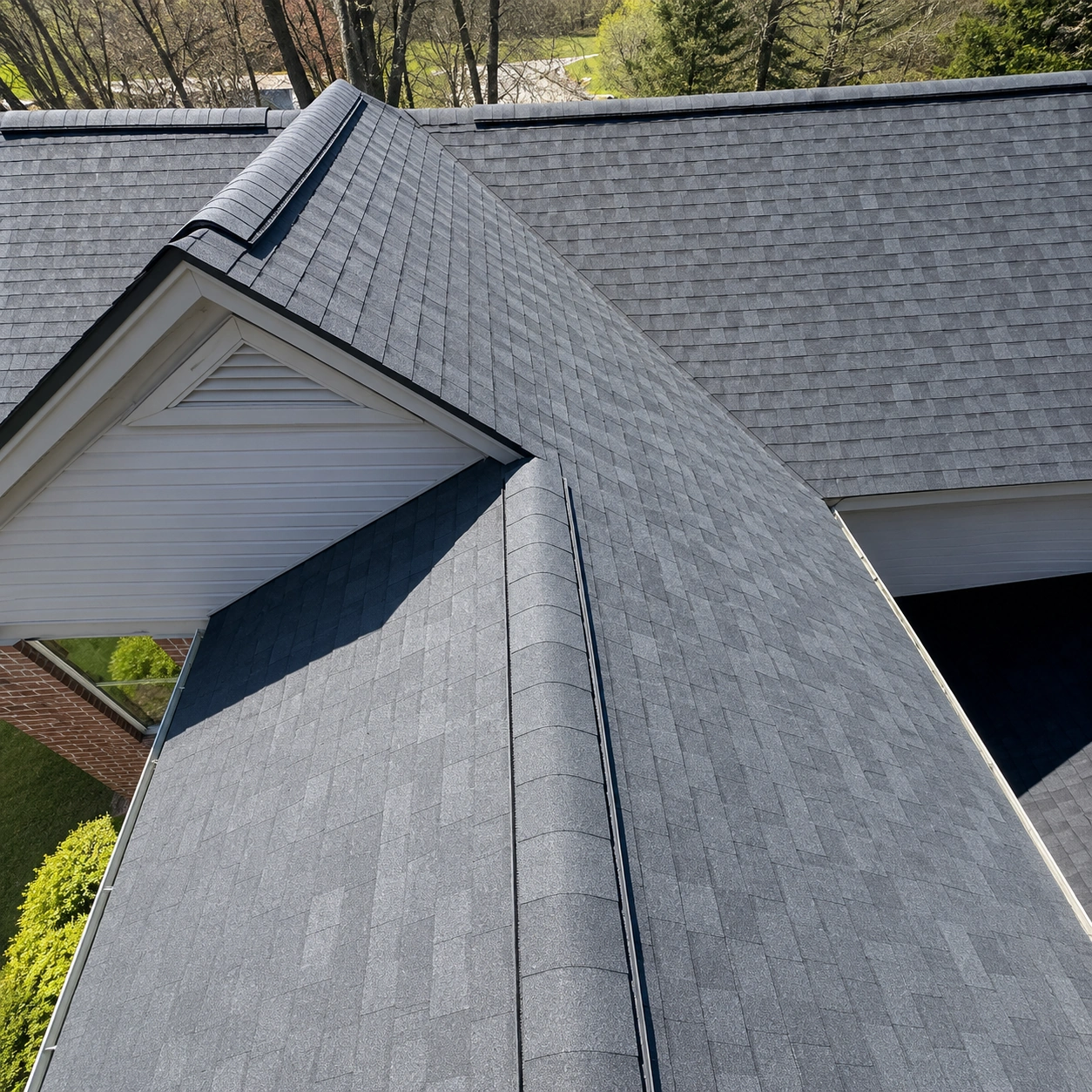
Valor Already Has Lake Orion Project Work to Show
Valor Roofing’s current project gallery identifies a Lake Orion, Michigan full roof and gutter replacement. That is stronger proof than a generic stock image of a perfect suburban house that could be located anywhere from Michigan to a computer-generated universe.
ROOFING SERVICES IN LAKE ORION
Start With the Local Problem, Then Go to the Right Service Page
Roof Repair
Localized leaks, lifted or missing shingles, damaged flashing, pipe boots, valleys and isolated roof problems can often be addressed without turning the whole roof into a replacement project.
Roof Replacement
Widespread aging, recurring leaks, brittle shingles, broad damage or system-level problems may point toward full replacement. The replacement page owns that decision process and full tear-off scope.
Storm Damage
Wind, hail, falling limbs and heavy weather can leave visible or subtle damage. Valor can document roofing conditions; insurance coverage decisions remain with the homeowner’s carrier and policy.
Shingle Roofing
Architectural shingles, impact-resistant options, color, warranty structure and complete system components deserve a dedicated materials discussion instead of being reduced to a brand list.
Roof Installation
Deck readiness, dry-in, underlayment, starter, fastening, flashing, ventilation integration, cleanup and final QA determine how a new roofing system is actually assembled.
Not Sure Yet?
A stain on the ceiling does not tell you which service page you need. An inspection can separate repairable defects, aging, storm evidence and ventilation or flashing problems before you choose a project.
WHAT A LOCAL INSPECTION SHOULD ANSWER
The Roof Should Be Diagnosed as a System, Not Judged From the Driveway
A useful Lake Orion inspection does more than count missing shingles. It looks for the path water and weather can take through the whole assembly.
Shingles, edges and exposed slopes
Wind can lift or crease shingles without removing them completely. Granule loss, cracking, brittleness and uneven wear can also show how different slopes are aging. Open exposures and roof edges deserve attention because those areas can experience stronger uplift forces.
Flashing, valleys and penetrations
Chimneys, plumbing vents, skylights, sidewalls and roof-to-roof intersections are common places for water to enter when flashing details fail. Valleys also concentrate runoff, leaves and winter moisture. Finding the exterior source matters because an indoor stain may appear several feet away from where water first entered.
Decking and attic clues
Soft areas, visible sagging, staining or moisture in the attic can change the scope of a project. Some decking conditions remain hidden until shingles are removed, which is why written estimates should explain how concealed wood damage will be handled if it appears.
Ventilation and winter behavior
Michigan’s own ice-dam guidance points homeowners toward attic insulation and airflow. Warm attic conditions can melt roof snow; the water reaches colder eaves, refreezes and can back up under shingles. Ventilation is not a magic cure for every winter problem, but intake and exhaust should be evaluated as part of the roof system.
Storm evidence and documentation
After significant wind, hail or falling debris, documentation matters. Photos of lifted shingles, impact marks, damaged flashing, tree contact and interior water entry give the homeowner something concrete to review. Valor can document visible roofing conditions without promising what an insurance company will cover.
Repairability versus broader failure
One damaged component does not automatically justify replacement. At the same time, repeatedly patching a roof with widespread deterioration can become expensive and frustrating. The inspection should make that distinction clear and point the homeowner toward the dedicated repair or replacement resource for the next decision.
CURB APPEAL + ROOF SYSTEM
On Lake Orion Homes, the Roof Has to Look Right and Perform Right
Architectural asphalt shingles remain a practical residential choice because they provide dimensional appearance, multiple color families and a range of performance and warranty options. But the shingle is only the visible top layer. Underlayment, ice and water protection, starter materials, flashing, ridge details and ventilation all affect the finished system.
The house itself should influence material selection. Brick, siding, trim, stone, roof pitch and the amount of roof visible from the street all change how a color or profile reads. Darker is not always better; lighter is not always safer. Physical samples viewed at the home usually tell homeowners more than a tiny screen swatch.
For deeper product comparisons, impact resistance, Class 3/Class 4 considerations, algae and staining, warranties and color decisions, use Valor’s Shingle Roofing page.

WHEN A NEW ROOF IS INSTALLED
Good Materials Still Depend on the Details Underneath Them
Deck readiness
The roof deck needs to provide a suitable, sound surface. Tear-off can reveal conditions that were not visible before work began, so decking provisions should be clear in the proposal.
Water management
Underlayment, ice and water protection, flashing, valleys and roof-to-wall transitions work together to control water. The system cannot rely on shingles alone.
Ventilation integration
Intake and exhaust need to be considered together. Replacement is a logical time to evaluate whether the existing ventilation approach is working for the house.
A CLEARER PROJECT PROCESS
What Lake Orion Homeowners Can Expect From Inspection Through Final Walkthrough
Inspect and document
Review roof surfaces, flashing, penetrations, visible deck concerns, attic clues where appropriate, ventilation and storm evidence.
Define the right scope
Separate repairable problems from broader deterioration. If replacement or installation is needed, identify the roof-system components involved rather than pricing shingles alone.
Review materials and details
Discuss shingle profile, color, accessory components, ventilation needs, flashing work, property protection and warranty paperwork.
Protect the property
Plan access, material staging, landscaping protection and debris control before work begins. Good roofing should not create an unnecessary mess around the home.
Complete the work and cleanup
Install or repair the approved scope, then remove debris and perform a careful jobsite cleanup. Magnetic nail pickup is a practical part of protecting driveways and lawns.
Final review
Walk through completed work, document key items and provide applicable manufacturer and workmanship information so the homeowner knows what was done.
ROOFING COSTS WITHOUT MADE-UP LOCAL PRICE RANGES
Why Two Lake Orion Roofing Estimates Can Be Thousands Apart
The easiest way to make a roofing page look authoritative is to invent a neat price range and pretend every house fits inside it. The live legacy page did exactly that. The better approach is to explain what changes the scope and then price the actual roof.
For replacement work, roof surface area, pitch, number of stories, access, tear-off, disposal, valleys, dormers, chimneys, skylights, flashing, decking condition, ventilation changes and the shingle system all affect the project. A simple ranch and a multi-level home with several roof-to-wall transitions can have very different labor requirements even when their interior square footage is similar.
Repair pricing can vary even more because the visible symptom may not reveal the source. Replacing a few wind-damaged shingles is a different project from tracing water through a chimney transition or opening an area to correct concealed flashing.
Compare the written scope, not just the total
- Tear-off or defined repair area
- Shingle and accessory products
- Underlayment and water protection
- Flashing and penetration details
- Ventilation work
- Decking allowance/change process
- Property protection and disposal
- Cleanup and magnetic nail pickup
- Manufacturer and workmanship information
HIRING A ROOFER IN MICHIGAN
Ask Better Questions Before You Sign a Roofing Contract
Michigan LARA advises homeowners to verify licensing for covered residential construction work and to check references before hiring. Roofing is one of the trades included under the state’s Maintenance & Alteration contractor framework. That makes contractor verification a practical step, not administrative trivia.
Ask whether the contractor carries current liability insurance, who will be responsible for the work, how the written scope handles hidden decking, what materials and accessory products are specified, how property protection and cleanup work, and what warranty paperwork you receive after completion.
Also ask how the contractor handles uncertainty. A trustworthy inspection should be able to tell you when a repair is enough, when a replacement is worth discussing and when more investigation is needed before anyone gives you a confident answer.
Official reference: Michigan LARA homeowner contractor guidance →
Valor authority points to verify at launch
- Current Michigan licensing / company status
- Current general liability insurance
- Owens Corning contractor-network profile remains active
- Current Google review rating before displaying a number
- Current financing terms before making financing claims
Owens Corning currently maintains a live contractor profile for Valor Roofing LLC. Confirm the badge/tier shown on that profile immediately before publishing any “Preferred” language.
LAKE ORION INSIDE THE OAKLAND COUNTY NETWORK
A Strong City Page Should Strengthen Nearby Markets, Not Compete With Them
Primary Oakland County hubs
LAKE ORION ROOFING KNOWLEDGE CENTER
Go Deeper Without Turning the City Page Into a 12,000-Word Encyclopedia
FAQ
Lake Orion Roofing Questions Homeowners Actually Ask
How do I know whether my Lake Orion roof needs repair or replacement?
Start with the condition of the whole roof, not one symptom. A localized flashing issue, pipe-boot failure or small area of wind damage may be repairable when the surrounding shingles remain serviceable. Widespread aging, recurring leaks, brittle shingles or broader system problems may make replacement more sensible. Valor can inspect the roof and then direct you to the appropriate repair or replacement path.
Does Valor Roofing serve all three Lake Orion ZIP codes?
Valor Roofing serves Lake Orion and Orion Township, including the 48359, 48360 and 48362 ZIP codes, along with nearby Oakland County communities. Scheduling and project availability can vary, so the fastest way to confirm service for a specific address is to call 877-825-6789 or request an inspection online.
How does Michigan weather affect asphalt shingle roofs in Lake Orion?
Lake Orion roofs experience wind, rain, snow, ice and repeated freeze-thaw cycles. Those conditions can expose weak flashing, loosen or crease shingles, contribute to ice-dam conditions and accelerate problems where ventilation or drainage is poor. The useful question is how the specific roof system is handling those stresses.
Does attic ventilation really matter for a roof in Orion Township?
Yes. Intake and exhaust ventilation help manage attic heat and moisture. Michigan guidance on ice dams specifically points homeowners toward insulation and ventilation because warm attic conditions can contribute to melting and refreezing at the eaves. Ventilation should be evaluated as part of the roof system rather than treated as an afterthought.
What should a Lake Orion roofing estimate include?
A useful written estimate should identify the scope clearly: tear-off or repair area, materials, underlayment, ice and water protection where applicable, flashing, ventilation work, decking provisions, disposal, property protection, cleanup, warranty information and how changes are handled if hidden conditions are discovered.
How long does a roof installation usually take?
There is no responsible one-size-fits-all promise. Duration depends on roof size, pitch, complexity, access, weather and whether damaged decking or other hidden conditions appear after tear-off. A straightforward residential project may move quickly, while a complex roofline or unexpected deck work can add time.
Can storm-damaged shingles be repaired without replacing the whole roof?
Sometimes. Limited wind or impact damage may be repairable when matching materials are available and the surrounding roof remains in good condition. Broader damage, brittle shingles or repeated failures can change the recommendation. The dedicated Storm Damage and Insurance Claims page explains documentation and insurance roles in more depth.
What roofing material is most common for Lake Orion homes?
Architectural asphalt shingles are a common residential choice because they combine appearance, weather performance and a range of price and warranty options. The right product still depends on the home, roof design, exposure, ventilation, budget and the complete installed system.
What happens if damaged roof decking is discovered?
Decking condition is not always visible before tear-off. A written proposal should explain how unsuitable or deteriorated decking will be documented, approved and priced if it is uncovered. New roofing materials need a sound substrate, so hidden wood damage should not simply be covered over.
Should I choose a roofing contractor based on the lowest price?
Not by price alone. Compare licensing, insurance, references, the written scope, materials, flashing and ventilation details, cleanup, warranty terms and how the contractor handles changes. Michigan LARA advises homeowners to verify licensing for covered residential work and to check references before hiring.
Does Valor Roofing have a completed project in Lake Orion?
Valor Roofing’s current gallery identifies a Lake Orion, Michigan full roof and gutter replacement among its featured projects. That makes the gallery a useful place to see authentic company work instead of relying only on stock photography or generic claims.
Can I get an inspection if I am not sure what service I need?
Yes. An inspection is the right starting point when you are uncertain whether the roof needs a repair, replacement, storm documentation or simply monitoring. The goal is to identify the actual condition first and then connect you with the right service information.